OSEN portable gas monitor provides reliable data for emergency screening
2026-01-06 17:19:15
With the expansion of industrial production scale, the intensification of safety supervision in high-risk industries, and the continuous improvement of emergency rescue systems, various fields have raised higher requirements for multi-parameter coordination, immediacy, and portability in gas monitoring, providing a broad range of application scenarios for handheld multi-gas monitors. Firstly, there is the need for safety control in chemical parks and hazardous chemical enterprises. In high-risk areas such as production plant areas, storage tank areas, loading and unloading platforms, and sewage outlets, operators can use handheld instruments to monitor the concentrations of various flammable and toxic gases in real time. When the concentration exceeds the standard, an audible and visual alarm is quickly triggered to remind personnel to evacuate and take emergency measures. Enterprises can optimize their safety production processes through regular monitoring. Secondly, there is the need for operations in mines and underground projects. In enclosed or semi-enclosed spaces such as coal mines, underground non-coal mines, and tunnel construction, the concentrations of gases such as methane, carbon monoxide, and oxygen are simultaneously monitored to prevent safety accidents such as gas explosions and oxygen deficiency asphyxiation. Thirdly, there is the need for operation and maintenance of municipal pipe networks. During operation and maintenance tasks in gas pipelines, sewage pipe networks, and underground utility tunnels, risks such as gas leaks and hydrogen sulfide exceeding standards are monitored to ensure the safety of operation and maintenance personnel. Fourthly, there is the need for on-site monitoring during emergency rescue. In emergencies such as gas leaks and explosion accidents, rescue personnel can quickly rush to the scene with instruments to simultaneously monitor the concentrations of various hazardous gases, assess the risk level, and provide real-time data support for rescue plan formulation and personnel evacuation guidance. Fifthly, there is the need for monitoring operations in confined spaces. Before operations in confined spaces such as reaction vessels, storage tanks, cellars, and sewage pools, gas concentration pre-treatment monitoring is conducted, and real-time monitoring is performed during operations to ensure the safety of the operating environment.
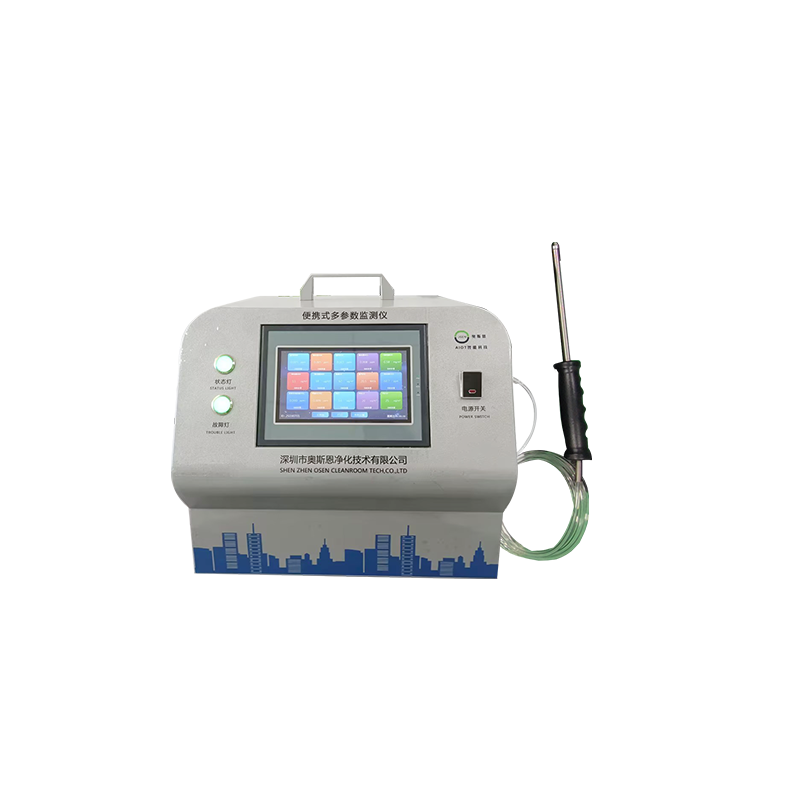
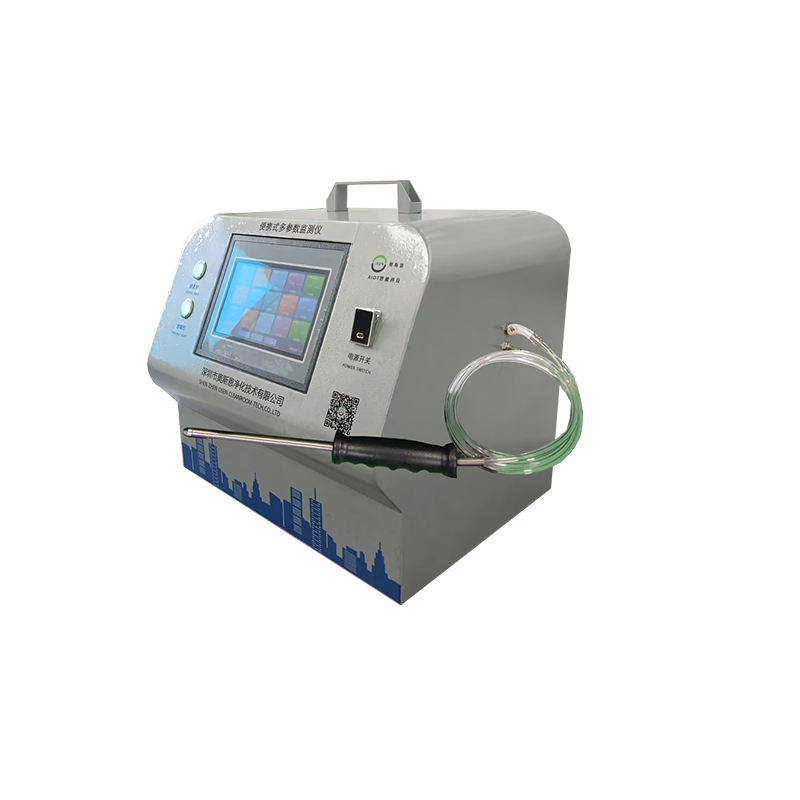
The portable gas monitor is a detection device that integrates data acquisition, storage, transmission, and management. It primarily monitors seven parameters: PM10, PM2.5, SO2, NO2, CO, O3, and VO. It facilitates emergency screening and detection of air pollution, provides reliable data information and scientific auxiliary management decisions for formulating energy conservation and emission reduction plans, and offers detailed data and scientific basis for environmental decision-making, environmental management, and pollution prevention and control by environmental protection departments.
Keyword: