Automated water level monitoring stations for rivers and lakes safeguard peoples lives and property during the flood season
2026-01-06 17:28:36
Amidst the intensifying climate change, the frequency and intensity of extreme hydrological events (such as catastrophic floods, sudden flash floods, and persistent droughts) in China have significantly increased. Traditional manual observation methods face fatal shortcomings in the face of disasters, including poor timeliness, high risk, and discontinuous data. Automated water level monitoring stations can achieve 24/7 uninterrupted real-time monitoring and alarming, providing crucial minute-level data support for flood warning, reservoir dispatch, and personnel evacuation. They serve as the "forward sentinels" in building a modern disaster prevention and mitigation system, safeguarding people´s lives and property.
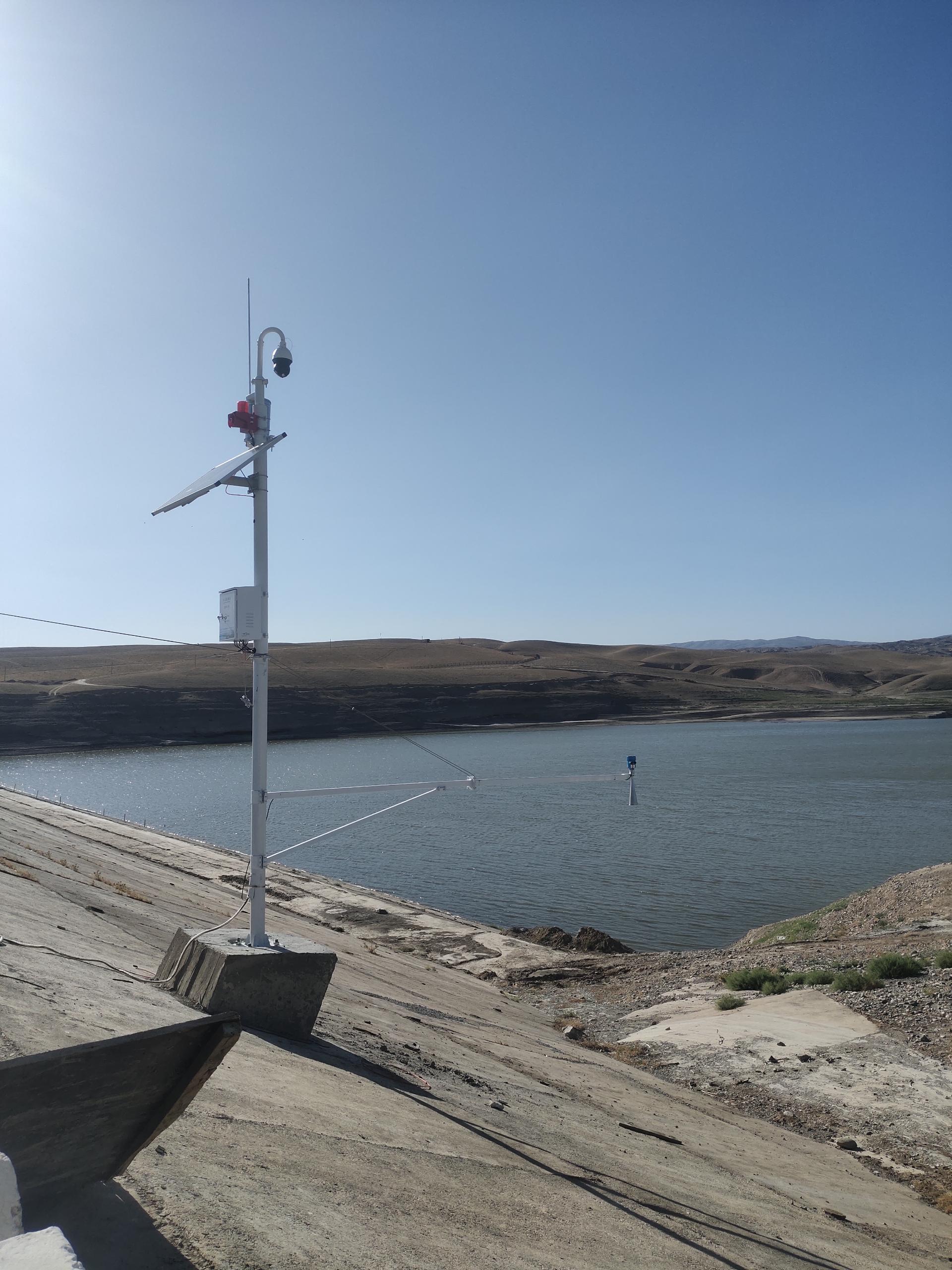
The radar-based water level monitoring station consists of three parts: the front-end radar water level gauge sensor, the data acquisition device, and the computer software. The data acquisition device possesses functions such as water level data acquisition, real-time clock, scheduled storage of hydrological data, parameter setting, a user-friendly interface, and standard communication capabilities. The system is equipped with a high-capacity FLASH memory chip. Multiple communication interfaces facilitate easy wired communication with computers, and the GPRS wireless communication module enables remote wireless connection between hydrological equipment and the computer monitoring center.
Featured Features
1.1 Multiple transmission methods
It provides multiple data transmission methods, allowing front-end data to be uploaded to the smart cloud platform via 4G network or Ethernet. Users can remotely view device data through a computer or mobile phone, and can also perform data collection and integration through RS485 communication.
1.2 Multiple power supply modes
In order to address the challenge of power supply in remote areas, the water quality online monitoring station not only utilizes mains power AC220V for electricity supply, but also allows customers to opt for a solar power supply system to provide outdoor power to the equipment. Both the power of solar panels and the capacity of batteries can be selected and customized according to specific requirements, ensuring operation even on rainy and cloudy days.
The system can achieve dual power supply, namely, both solar energy and mains electricity. The entire system mainly consists of solar panels, batteries, solar controllers, and a dual power supply box;
1. When using dual power supply, the system can operate normally as long as one of the power sources is active;
2. In the event of a sudden power outage on either side, the power supply can be seamlessly switched to the other side, ensuring maximum stability of the system´s power supply;
3. It can be installed in special locations where mains electricity cannot reach, saving the trouble of laying power lines and facilitating site selection and installation.
1.3 Multiple viewing methods
In addition to adding an LCD touch screen on the device side for on-site data viewing, Ossn, with its structural engineers and sheet metal processing factory, can provide users with various LED displays. The data from the radar water quality online monitoring station will be displayed in real-time on outdoor high-definition LED displays. The high-brightness LED beads ensure clear display in outdoor environments, and various specifications of display appearances are provided for application in different scenarios.
1.4 Professional installation of crossbar
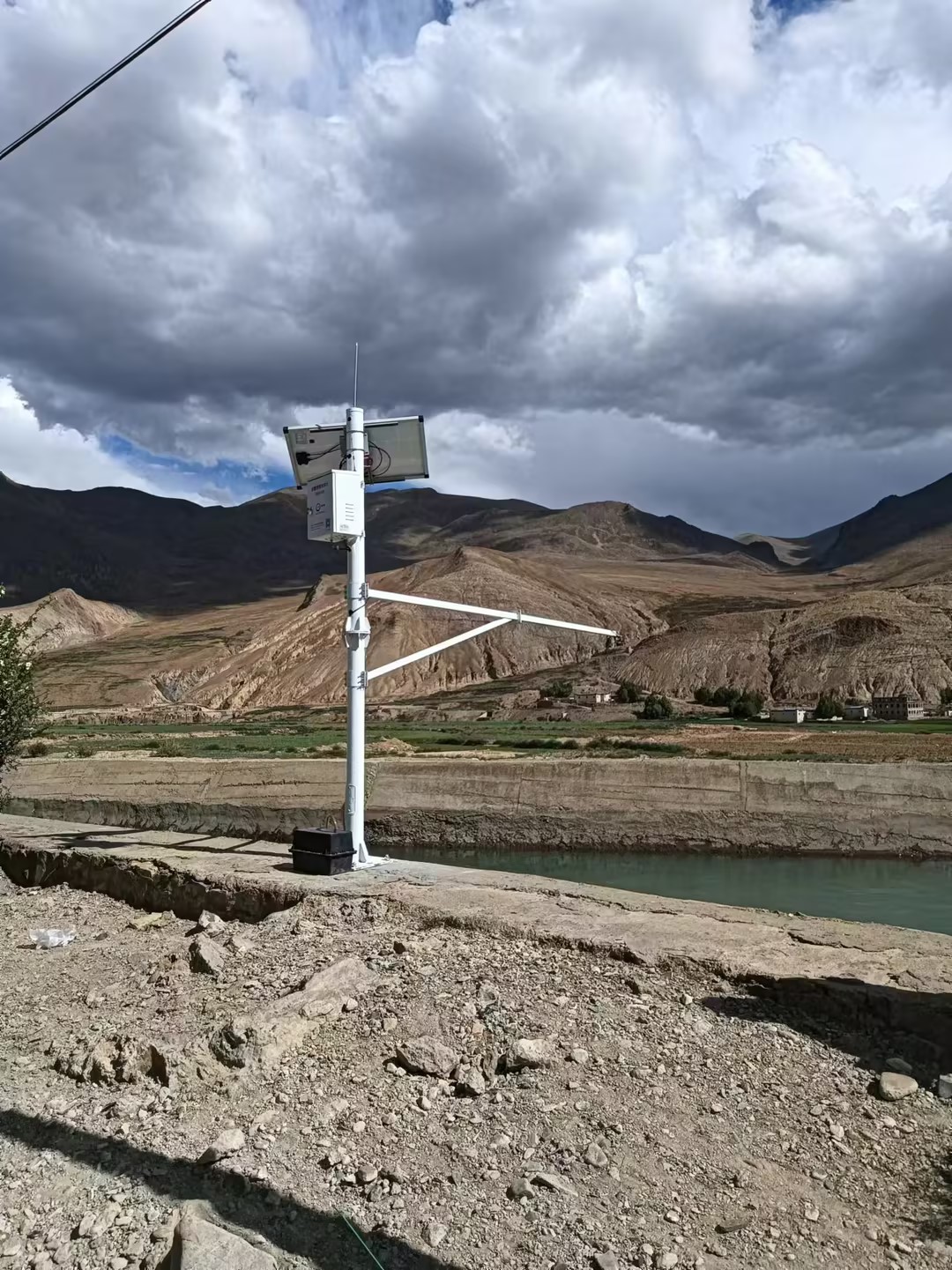
To achieve high accuracy, radar water level gauges and radar flowmeters have certain installation requirements. To ensure that the sensors are always in a horizontal position, a special design has been made for the crossbar, using a triangular support structure to solve the problem of the crossbar sagging over time, thus making the measurement results more accurate.
1.5 Integrated design
The equipment adopts an integrated design concept, with cable routing holes on both the horizontal and vertical poles. All sensor cables are routed internally within the pole body, and independent cable markers are provided. Users can simply plug in the connectors according to the markers, making installation convenient and quick. This also effectively avoids the impact of outdoor environments and animals on the cables, ensuring the service life of the equipment.
Keyword: