Integrated hydrological and meteorological monitoring station for digital control of watershed water conditions supports flood prevention and early warning work
2026-08-13 17:02:27
The OSEN hydro meteorological monitoring station is a device or location used for monitoring and measuring hydrological and meteorological elements. It combines the functions of hydrological and meteorological monitoring, providing real-time monitoring and analysis of hydrological and meteorological conditions through the collection, recording, and transmission of hydrological and meteorological data. It provides important data support for water resource management, meteorological disaster warning, climate research, and more.
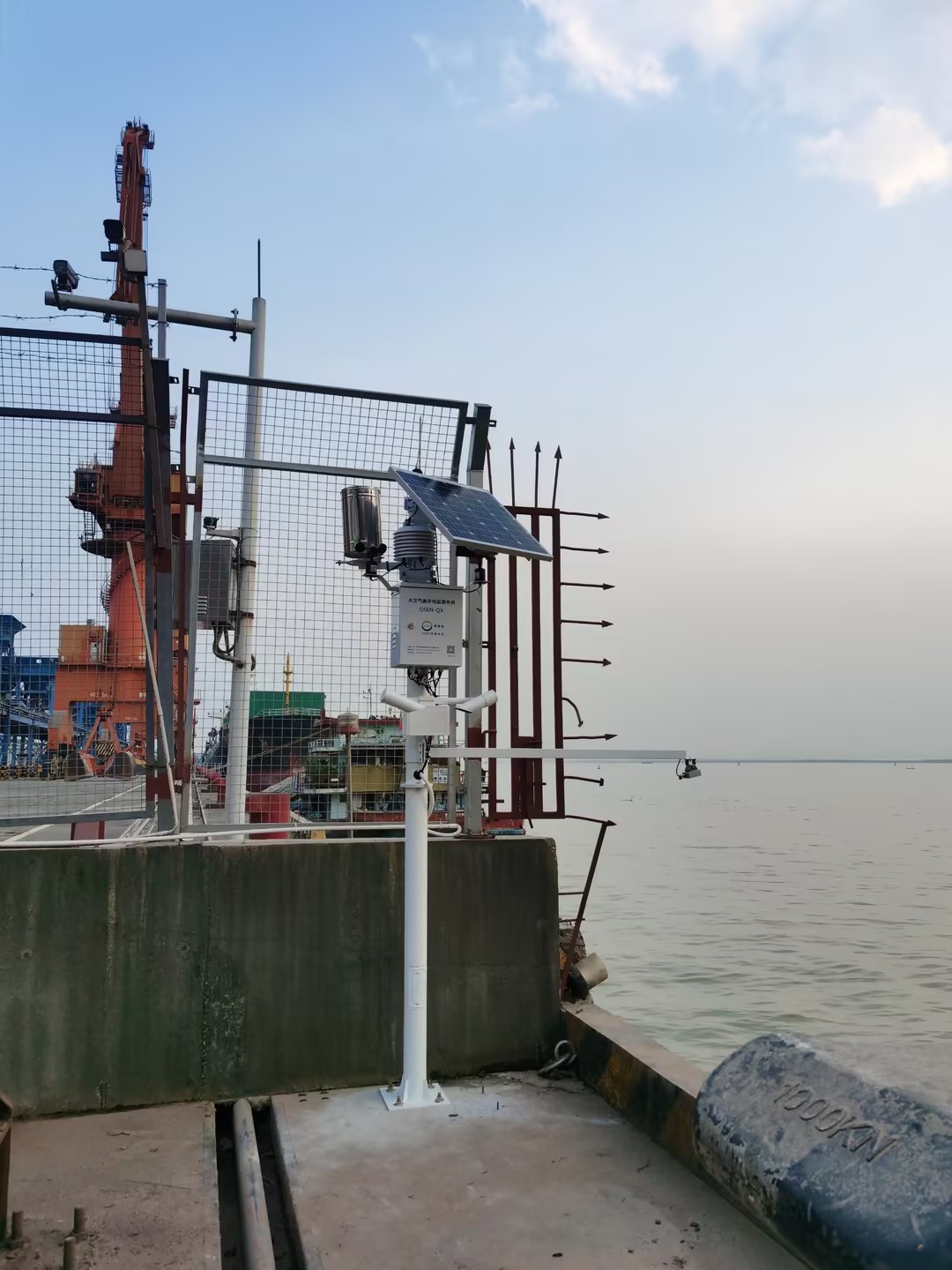
Main components:
1. Hydrological observation equipment: Hydrological observation equipment is used to monitor hydrological related elements, such as water level, flow rate, water quality, etc. These devices can include water level gauges, flow meters, dissolved oxygen meters, turbidity sensors, etc., used for real-time monitoring and recording of hydrological parameters in rivers, lakes, reservoirs, and other water bodies.
2. Meteorological observation equipment: Meteorological observation equipment is used to monitor elements related to meteorology, such as temperature, humidity, rainfall, wind speed, and direction. These devices can include temperature sensors, humidity sensors, rain gauges, anemometers, etc., used for real-time monitoring and recording of various meteorological parameters in the atmosphere.
3. Data logger: The data logger is the core component of the observation station, used to receive, record, and store data from hydrological and meteorological observation equipment. It converts observed data into digital signals and records and stores them in real-time for subsequent analysis and application.
4. Communication system: The communication system allows hydrological and meteorological observation stations to transmit the collected data to remote data centers or monitoring platforms. In this way, remote operators can obtain real-time observation data and conduct monitoring and analysis.
5. Power supply system: The power supply system provides stable power supply for hydrological and meteorological observation stations to ensure the normal operation of equipment. The power supply method can be AC power supply, solar panels, etc., depending on the conditions and needs of the site.
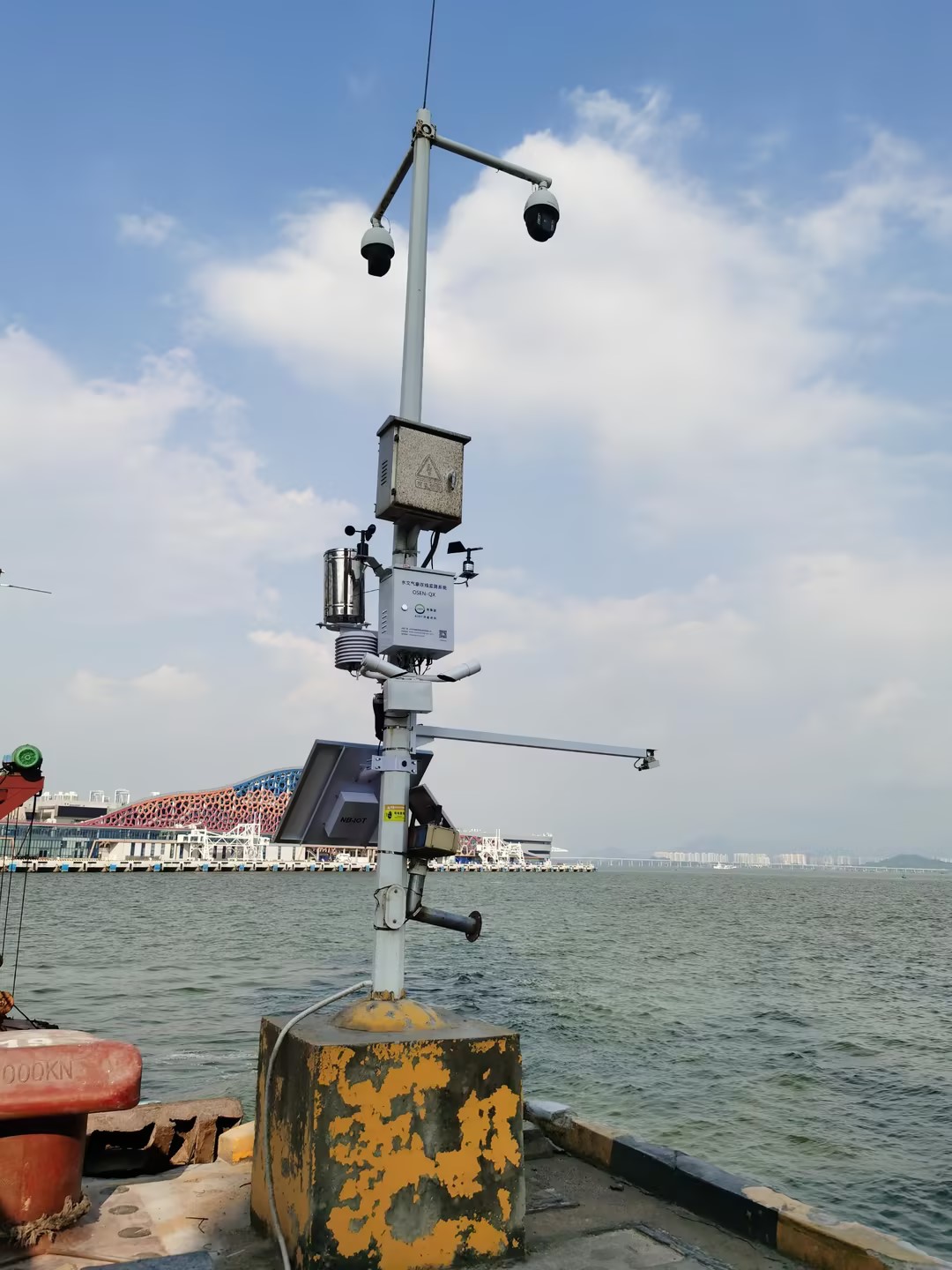
System Features
1. Comprehensive: The hydrological and natural meteorological station system is a comprehensive platform that integrates multiple sensors and monitoring devices, which can collect and analyze hydrological and meteorological data in real time. This data includes but is not limited to water level, flow rate, water temperature, air temperature, humidity, wind speed, wind direction, air pressure, etc.
2. Real time capability: The system is able to monitor environmental changes in real-time, providing decision-makers with timely and accurate information. This is of great significance for flood control, drought resistance, ecological protection, climate prediction, and other aspects.
3. Automation: Through automation technology, the hydrological and natural meteorological station system can achieve unmanned continuous monitoring. This not only greatly reduces the complexity of manual operations, but also improves the accuracy and efficiency of monitoring.
4. Remote control and data transmission: This system has the functions of remote control and data transmission. Through the internet, users can view and manage data from anywhere with a network, greatly improving work efficiency.
5. Data analysis and warning function: The hydrological and natural meteorological station system can not only collect data, but also perform data analysis and processing, generate various reports and charts. At the same time, the system also has a warning function, which can immediately issue an alert when abnormal situations are detected, so that corresponding measures can be taken.
6. Durable and easy to maintain equipment: The equipment of this system is usually designed to be very durable and can work for long periods of time in harsh environments. Moreover, due to the modular design, maintenance is also very convenient and fast.
7. Scalability: More sensors and devices can be added as needed to expand the scope and depth of monitoring. At the same time, the software of the system can also be upgraded to meet future needs.
Keyword: